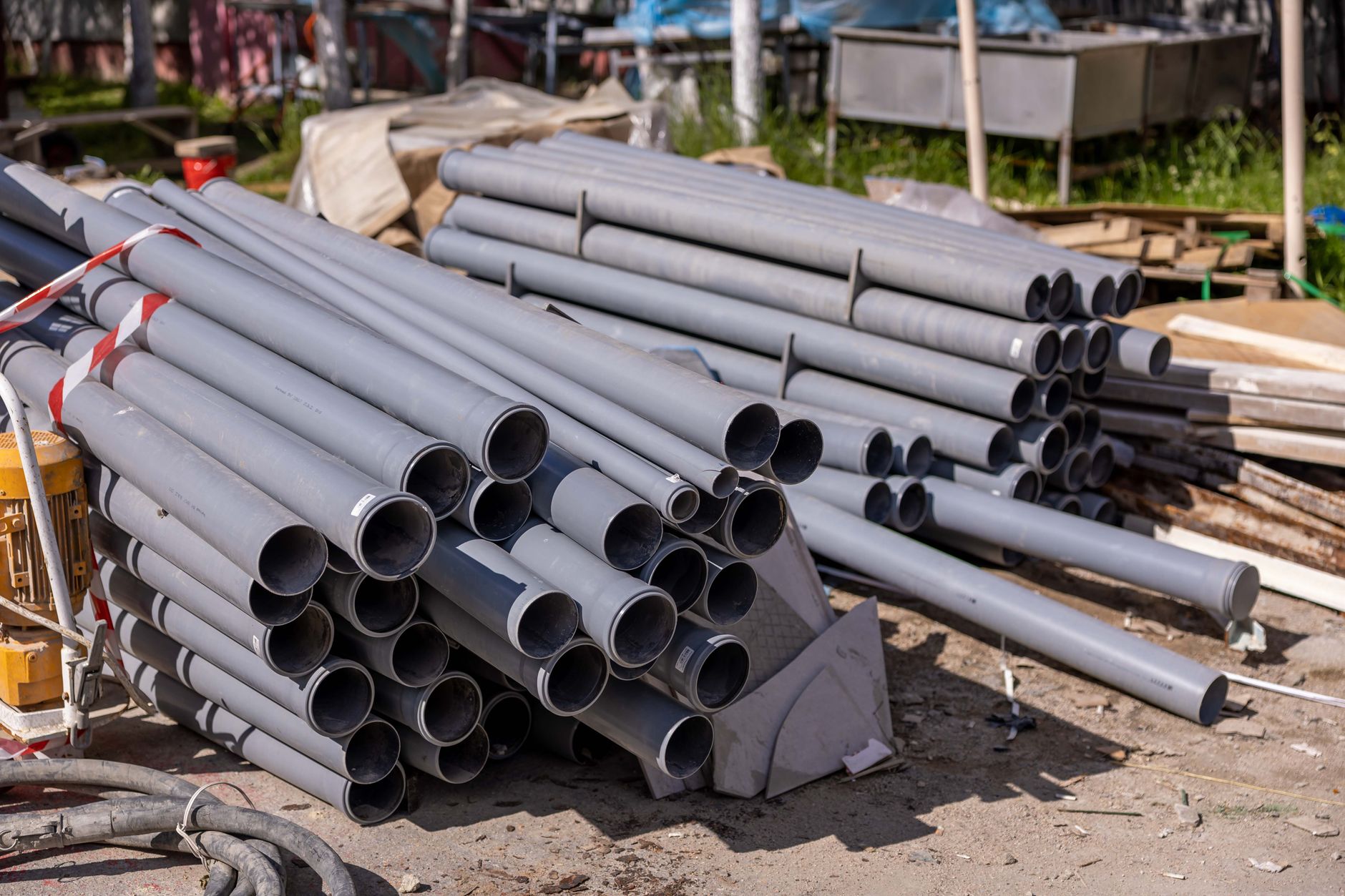
Radon mitigation pricing is mostly a routing-and-labor question. The fan and pipe cost roughly the same everywhere; what varies is how hard your foundation makes it to collect the soil gas and how far the pipe has to travel to discharge legally above the roof. Here is what an estimator is actually looking at.
Foundation layout
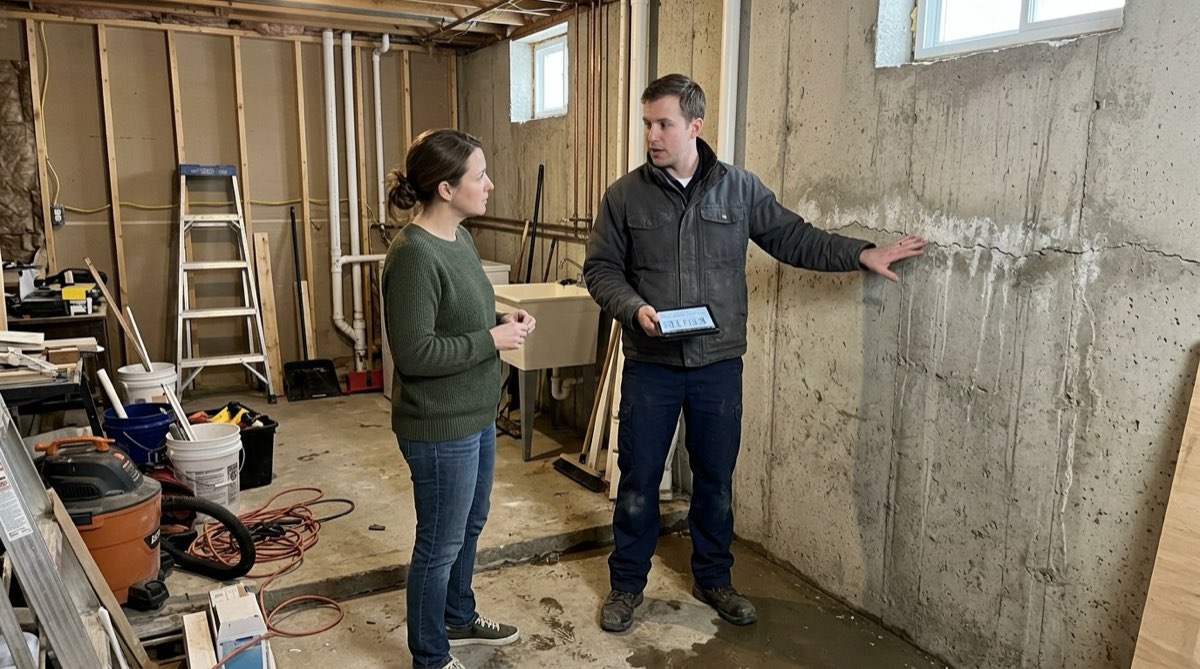
One continuous slab over gravel is the easy case — one suction point usually does it. Additions with separate slabs, a basement-plus-crawl combination, or slab sections poured at different times can each need their own suction point, and each point adds work.
What is under the slab matters too. Coarse gravel lets one pit pull air across the whole footprint; tight clay — common in central Iowa — moves air poorly and may need a larger pit or a higher-suction fan.
Pipe and fan location
The cheapest route is often straight up through a garage or utility chase into the attic, with the fan in unconditioned space and a short discharge at the roof. Exterior runs up the side of the house cost similar but are visible and live in the weather.
Long horizontal runs, finished ceilings in the way, or a discharge that must clear windows and rooflines to meet code all add labor. This is the part of the estimate that differs most between two houses with identical radon numbers.
Finished space and testing needs
A finished basement means working around drywall, carpet, and trim — and sometimes opening and patching a chase — so the same system costs more than in an unfinished basement. If you are planning to finish the basement later, mitigating first is the cheaper order of operations.
Post-installation testing should be part of the quote, along with the manometer and labeling. Ask whether the number the installer promises to reach is written down; reputable installers commit to getting below 4 and usually land well under.
Getting a quote you can compare
A useful quote names the suction point strategy, the pipe route, the fan model and where it mounts, how sealing is handled, and the post-installation test. Two quotes that both say 'radon system' can differ by hundreds because one includes sealing and verification and one does not.
Ask what happens if the first configuration does not get the house below 4 — a good installer treats reaching the number as part of the job, and says so in writing.
Certification matters in Iowa: mitigation professionals are credentialed through national radon programs, and asking for the credential number is normal, not rude.