Skip to content
Routing the radon vent pipe from the slab in the basement
Active Soil Depressurization

Active Soil Depressurization in Des Moines

Service for fan-powered soil gas collection and discharge for high radon readings in Des Moines, IA.

Call for an estimate and a practical recommendation for the property.

Radon mitigation help
Serving Des Moines and nearby areas
Testing, sub-slab systems, sump sealing, and fan repair
Call Now(515) 304-2948
Radon MitigationTesting, sub-slab systems, sump sealing, fans, and real-estate timing
Service AreaDes Moines, Urbandale, Clive, and Johnston
EstimatesStraight answers before the job is scheduled

Active soil depressurization is the standard fix when a radon test comes back above 4 pCi/L: a pipe sealed into the ground beneath the house and a fan that runs continuously, putting the soil under slight vacuum so radon gets collected and vented above the roof instead of drifting up into the rooms.

Reasons to schedule this service
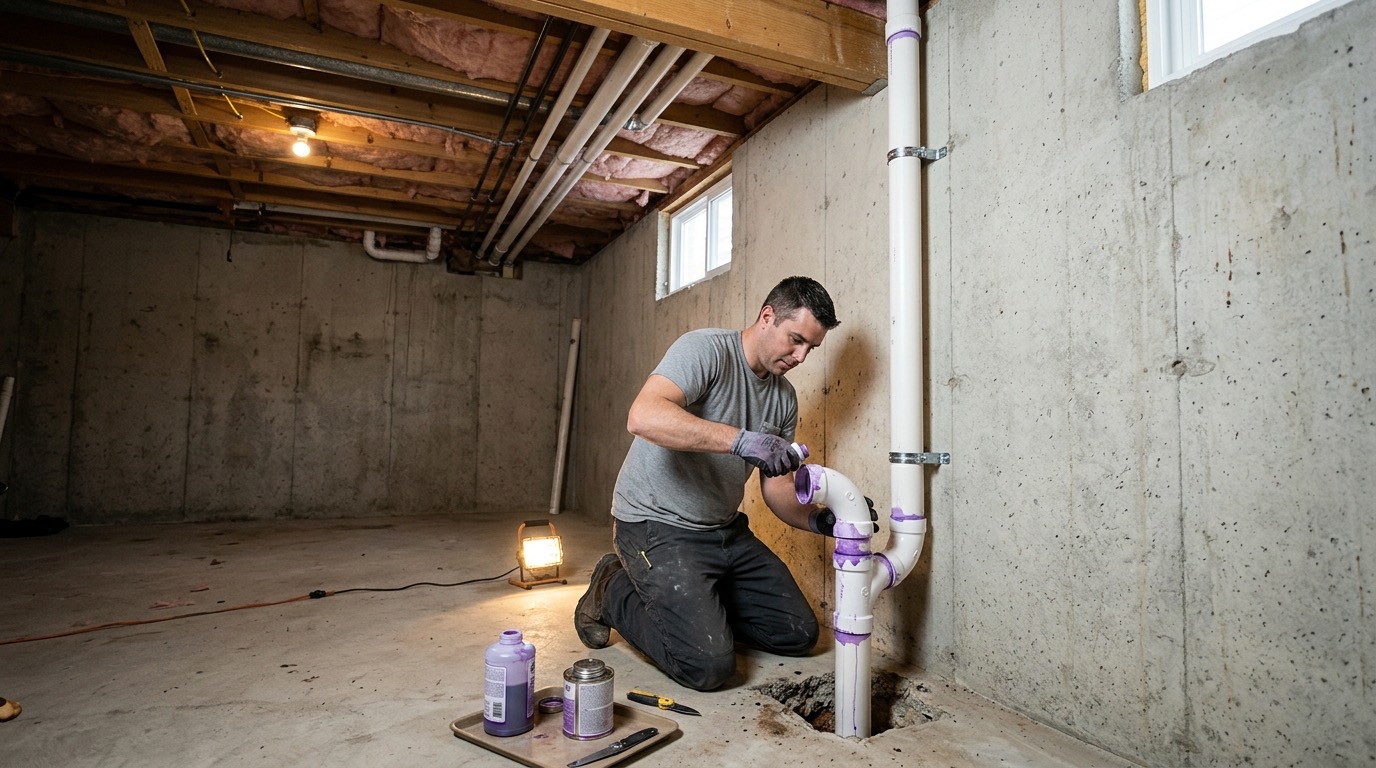
Routing the radon vent pipe from the slab in the basement

This service may be the right fit when one of these situations sounds familiar:

  • test results are above the action level
  • passive piping is not enough
  • a basement system needs design

What matters for Des Moines properties

Central Iowa's tight clay subsoil moves air grudgingly, which makes suction-point placement and pit size the difference between a system that gets a house from 12 down to 1.5 and one that stalls at 5. A good installer here also looks hard at the drain tile and sump, because in most Des Moines basements they are the best collection network already in the ground.

What affects the estimate

  • slab communication
  • pipe routing
  • fan location
  • discharge point
  • electrical needs

How the work usually goes
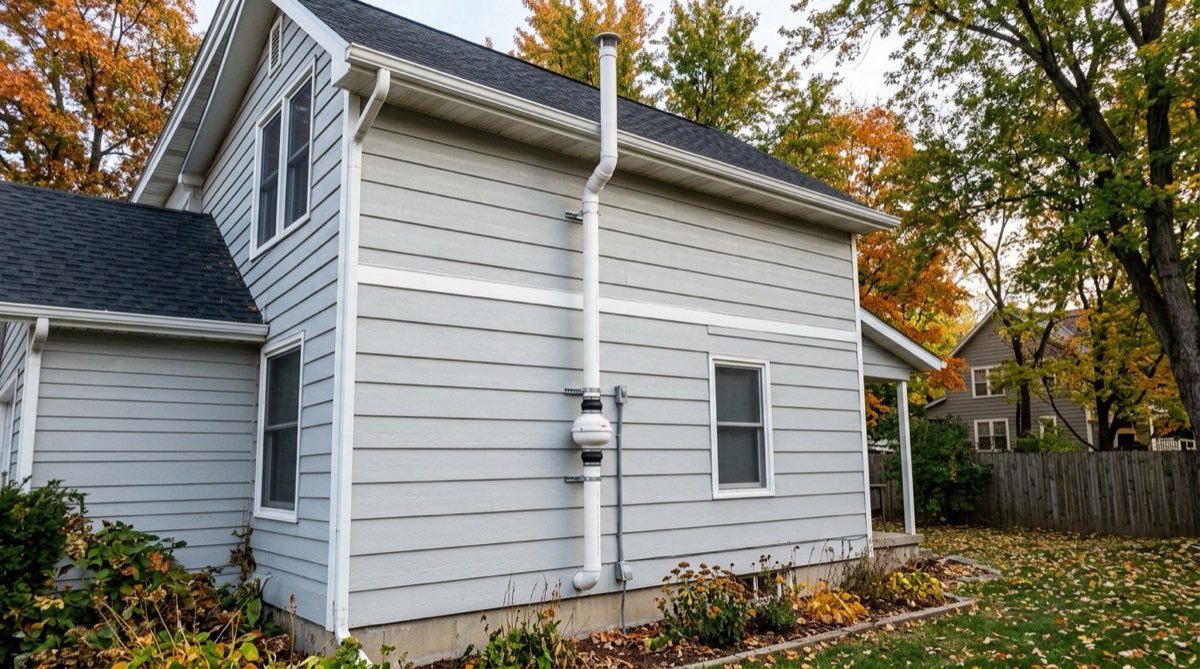
Exterior radon mitigation system installed on a Des Moines home

Installation follows a set sequence:

  1. Test Result Review: Review the radon test result, test date, foundation layout, basement use, and any real-estate deadline.
  2. Foundation And Sump Check: Check slab areas, sump pits, drain tile, crawl spaces, pipe routes, fan locations, and discharge options.
  3. System Design Planning: Plan the mitigation system, sealing details, electrical needs, fan placement, and retest timing.
  4. Pipe Fan And Sealing Work: Install or repair the pipe, fan, suction point, sump cover, crawl-space barrier, or sealing work.
  5. Retest And Maintenance Guidance: Review manometer readings, labels, maintenance notes, and when the home should be tested again.
Continuous radon monitor running a 48-hour testManometer confirming the system is pulling vacuumSealing the sump pit lid as part of radon mitigation
Sealing the sump pit lid as part of radon mitigation
Call Now

Ready to schedule active soil depressurization?

Call now to get an estimate and talk through timing.

FAQ

Active Soil Depressurization FAQ

When should I schedule active soil depressurization?
It is worth getting the work checked when test results are above the action level or when the issue affects safety, comfort, drainage, appearance, or the next phase of a project.
What affects the estimate for active soil depressurization?
The estimate can change based on slab communication, pipe routing, fan location, and discharge point, prep, cleanup, and current site conditions.
Can I get a ballpark before scheduling?
Often, yes. A final number usually depends on the property, materials, prep, and the condition of the existing area.
What should I ask about?
Ask about timing, prep, cleanup, materials, warranty terms, insurance, and anything that could change the final work plan.
Call Now (515) 304-2948