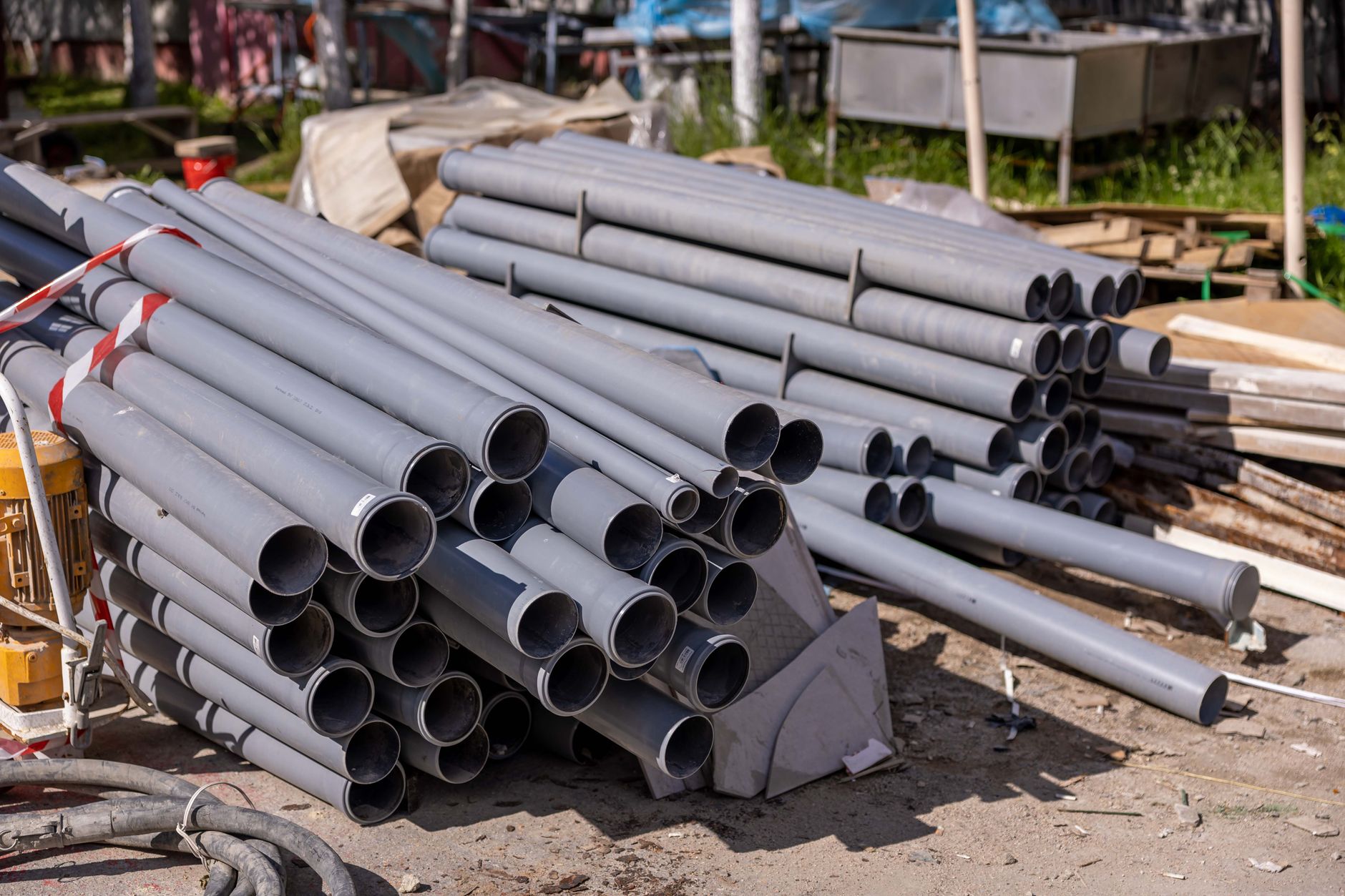
A radon test result is a single number in picocuries per liter (pCi/L), and what to do depends on which side of a few thresholds it lands. The EPA action level is 4.0. Outdoor air runs around 0.4. Here is how to read everything in between.
Short-term vs long-term tests
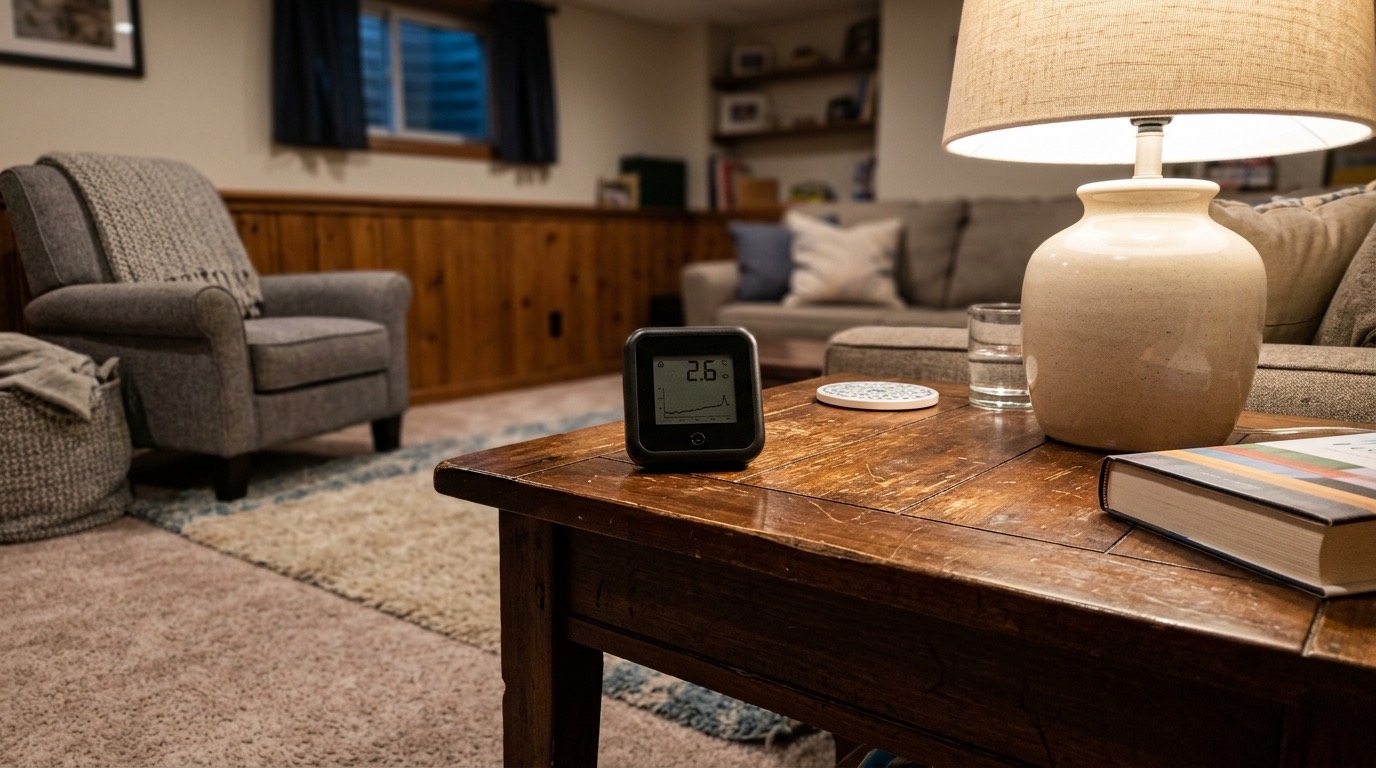
Short-term tests run two to seven days with windows and doors kept closed except for normal coming and going. They are the standard first look and the format used in real estate deals, where a continuous monitor logs hourly readings for 48 hours.
Long-term tests run 90 days or more and average out weather and season, which makes them the better picture of what you actually breathe over a year. A sensible pattern: short-term first; if the result is borderline, follow with a long-term test before spending money.
Action levels
At 4.0 pCi/L or above, the EPA recommends fixing the house. Between 2 and 4, fixing is worth considering — there is no level where risk drops to zero, and mitigation systems routinely land houses under 2.
Under 2, most people reasonably stop at retesting on schedule. Risk scales with concentration and with years of exposure, so a 12 is genuinely more urgent than a 5 — but both are fixable with the same kind of system.
Follow-up testing
A single high short-term test deserves a confirmation test before mitigation, unless it came from a 48-hour continuous monitor during a transaction, where the deal timeline usually decides.
After a system goes in, retest within 30 days to confirm it worked, then every two years as maintenance. Keep the reports — the paper trail matters at resale in a state where every buyer's agent asks about radon.
Common misreadings to avoid
A low result from a summer test with windows open is not a clean bill of health — closed-house conditions exist because they simulate how the house holds air in heating season, when levels peak.
A single sky-high reading is worth confirming before panic or money: monitors can be placed badly, and a crawl-space or sump-lid gap can spike one room. Confirm, then fix.
And a mitigated house is not permanently cleared — the fan is a machine. The manometer on the pipe shows it is pulling, and the every-two-years retest proves the number stayed down. Ten minutes of attention per year covers all of it.