Radon is a radioactive gas produced as uranium breaks down in soil and rock. You cannot see it or smell it, and outdoors it disperses instantly. Indoors it accumulates — and long-term exposure is the second-leading cause of lung cancer after smoking, which is the entire reason this trade exists.
How radon enters
Your house pulls air out of the ground. Warm air rising through the house creates a slight vacuum at the foundation — the stack effect — and soil gas follows that vacuum in through slab cracks, the gap where the floor meets the wall, sump pits, and openings around pipes.
Iowa sits on glacial deposits that were ground up and spread across the state, which left uranium-bearing material close to the surface almost everywhere. That geology is why the EPA puts Polk County and most of Iowa in Zone 1, its highest radon-potential category, and why a majority of Iowa homes that get tested come back above the action level.
Why basements matter
Basements are standard in Des Moines housing, and a basement is essentially a room pressed into the radon source with the most entry points and the least dilution. Finished basements raise the stakes further — a bedroom or family room down there means real hours of exposure, not just laundry trips.
That said, radon is not only a basement problem. Slab-on-grade rooms and main floors read high in plenty of houses; the basement is just where it is usually worst.
When to test again
Test results have a shelf life. Retest every two years, after any mitigation work, and after changes that alter airflow or the foundation: finishing the basement, replacing the furnace or water heater, new windows, or foundation repair.
Winter readings run higher than summer because the house is sealed and the stack effect is stronger. If you only ever test once, a heating-season test is the honest one.
The short version for a busy homeowner
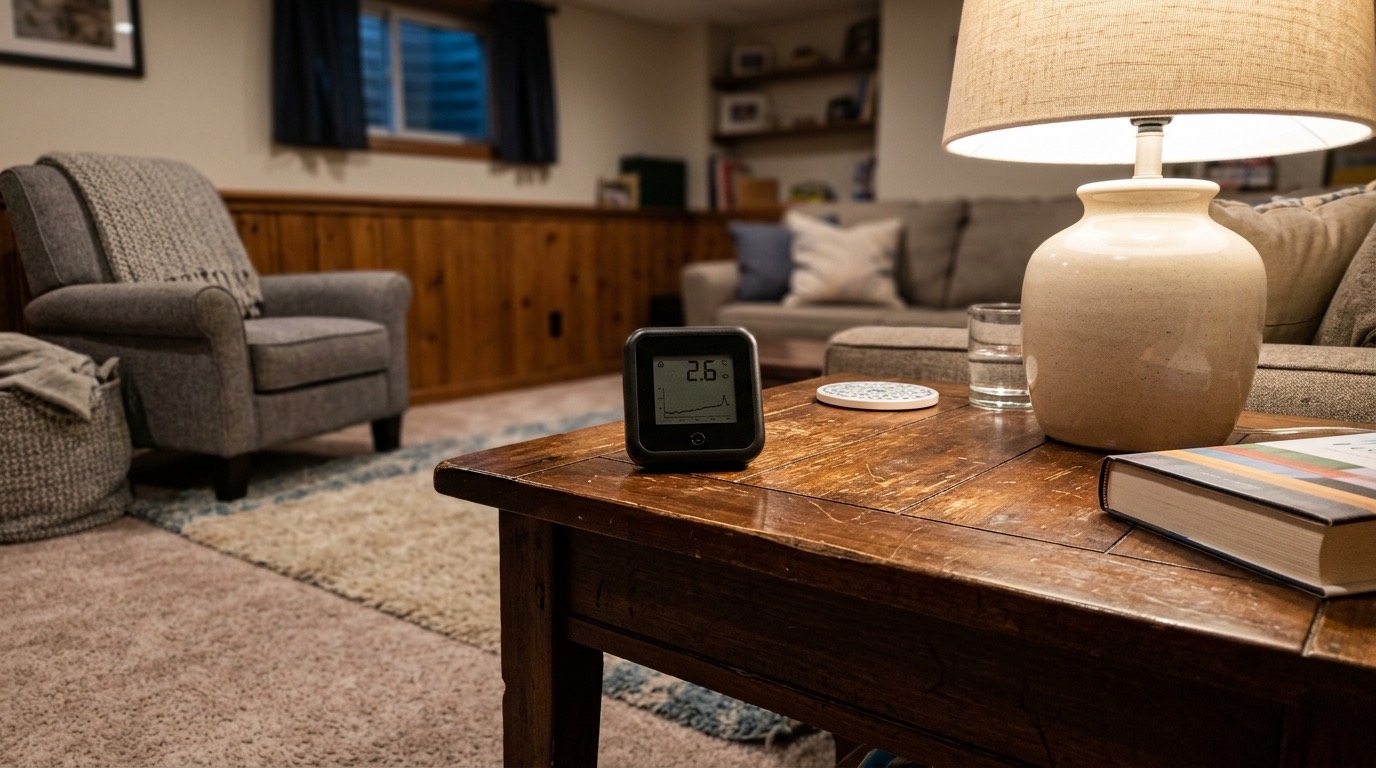
Test the house — a kit from the hardware store or a 48-hour professional monitor both work. In Polk County, assume the result could be high; a majority of tested Iowa homes are.
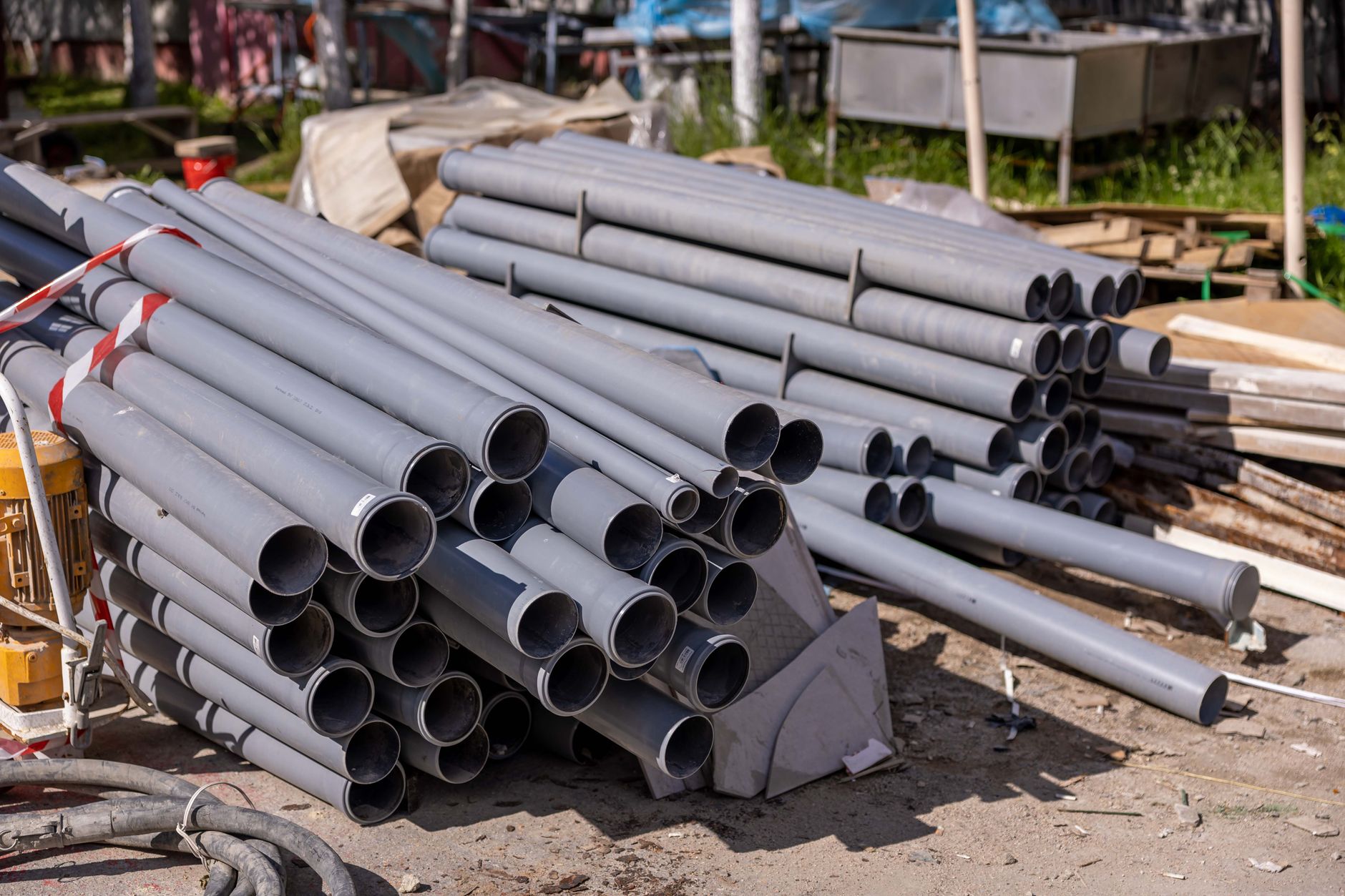
If the number is 4 pCi/L or above, the fix is a mitigation system: a pipe through the slab and a fan that vents soil gas above the roof. Installed in a day, verified with a retest, and it typically drops the house under 2.
If the number is low, put a reminder two years out and move on with your life. Radon is a serious risk with an unusually clean solution — the only losing move is not knowing your number.