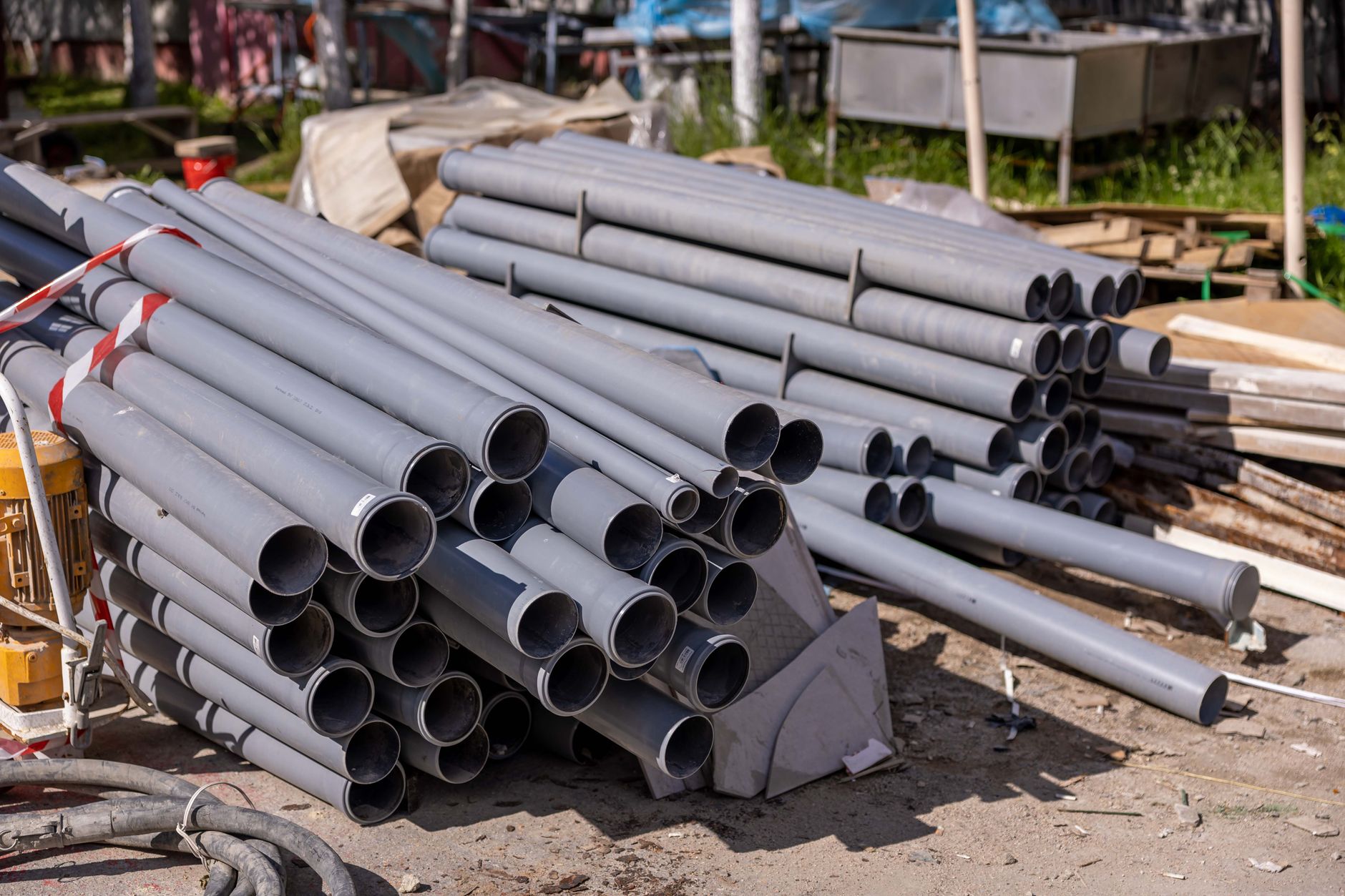
The cheapest radon system is the one built into the house: a gas-permeable layer under the slab, sealed penetrations, and a capped riser pipe run from below the slab to the attic during framing. If the finished house tests high, adding a fan finishes the system without cutting into anything.
Reasons to schedule this service
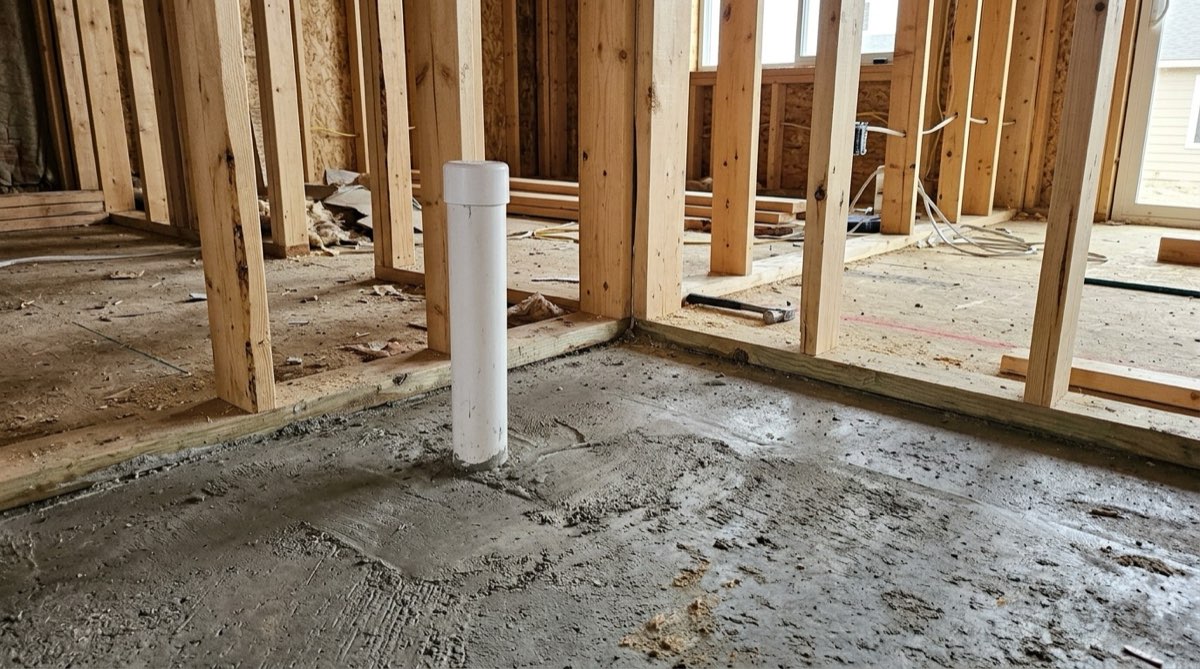
This service may be the right fit when one of these situations sounds familiar:
- a new home is being built
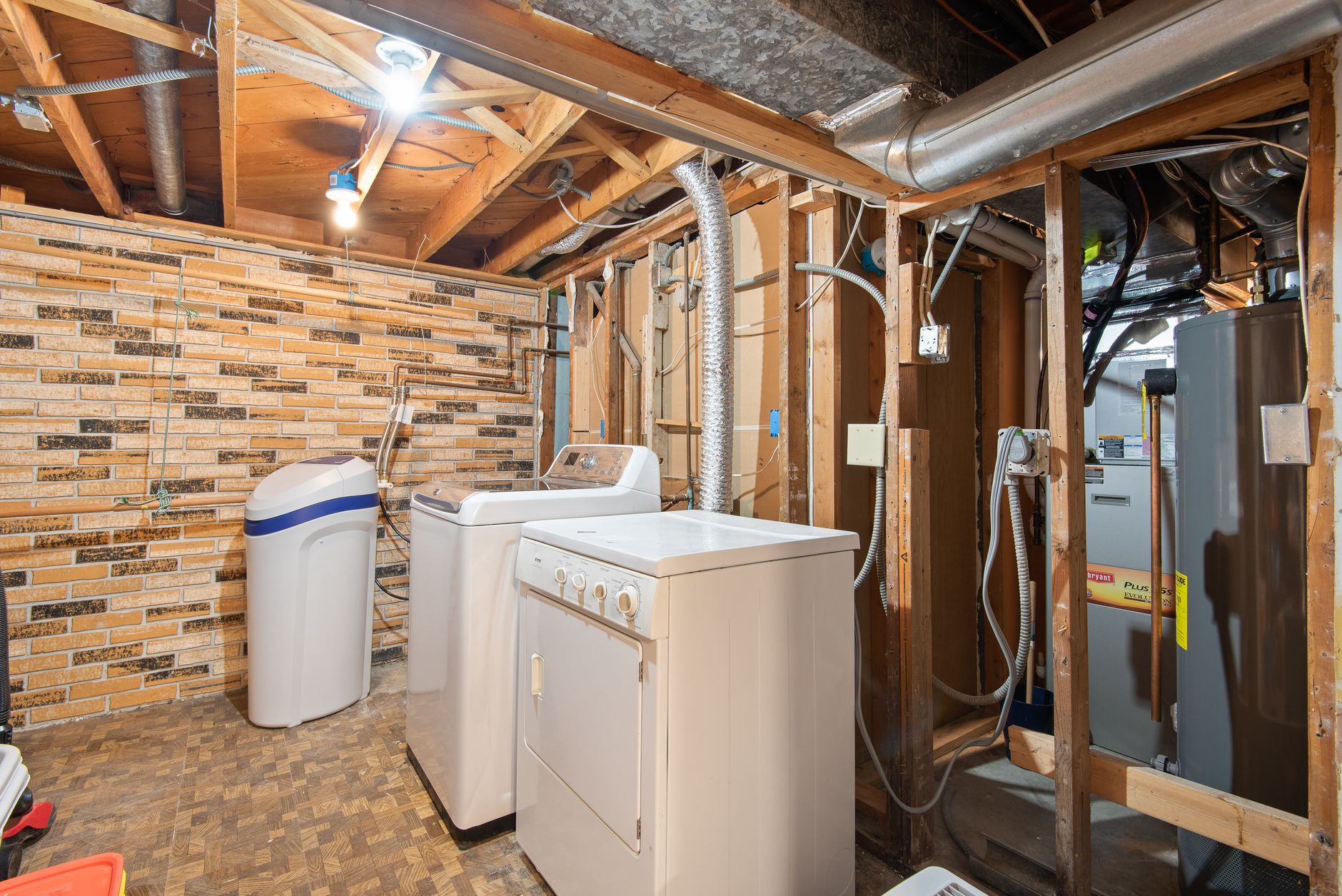
- a basement is being finished
- passive piping may need activation
What matters for Des Moines properties
Building in a Zone 1 county without a rough-in is a false economy — the parts cost little during construction and the retrofit costs multiples later. Iowa builders increasingly include passive rough-ins, but passive alone often is not enough here: test after occupancy, and expect that the attic fan may be the step that actually gets the number down.
What affects the estimate
- framing stage
- pipe route
- attic or exterior path
- slab prep
- future fan access
How the work usually goes
Rough-in work happens with the build:
- Test Result Review: Review the radon test result, test date, foundation layout, basement use, and any real-estate deadline.
- Foundation And Sump Check: Check slab areas, sump pits, drain tile, crawl spaces, pipe routes, fan locations, and discharge options.
- System Design Planning: Plan the mitigation system, sealing details, electrical needs, fan placement, and retest timing.
- Pipe Fan And Sealing Work: Install or repair the pipe, fan, suction point, sump cover, crawl-space barrier, or sealing work.
- Retest And Maintenance Guidance: Review manometer readings, labels, maintenance notes, and when the home should be tested again.