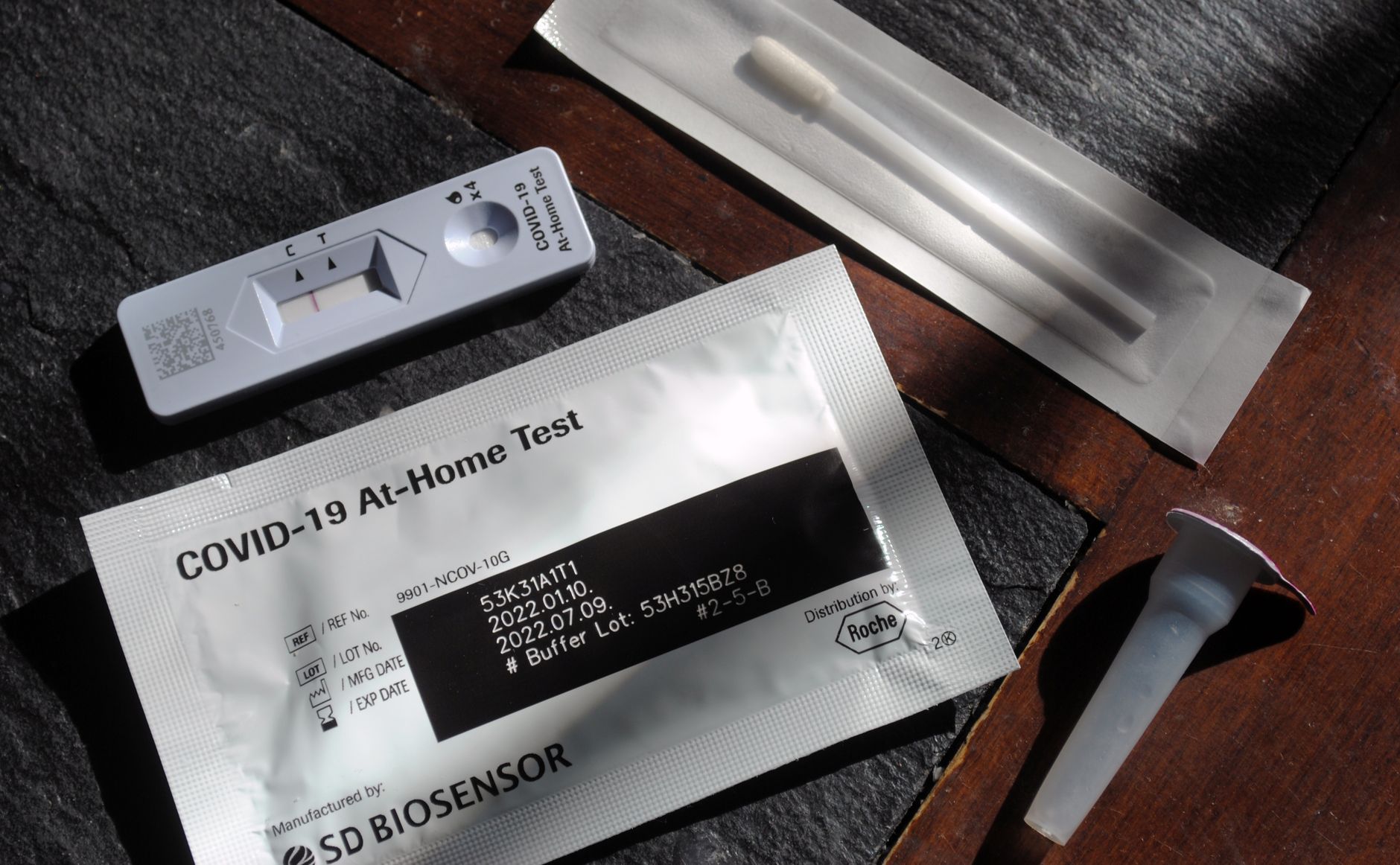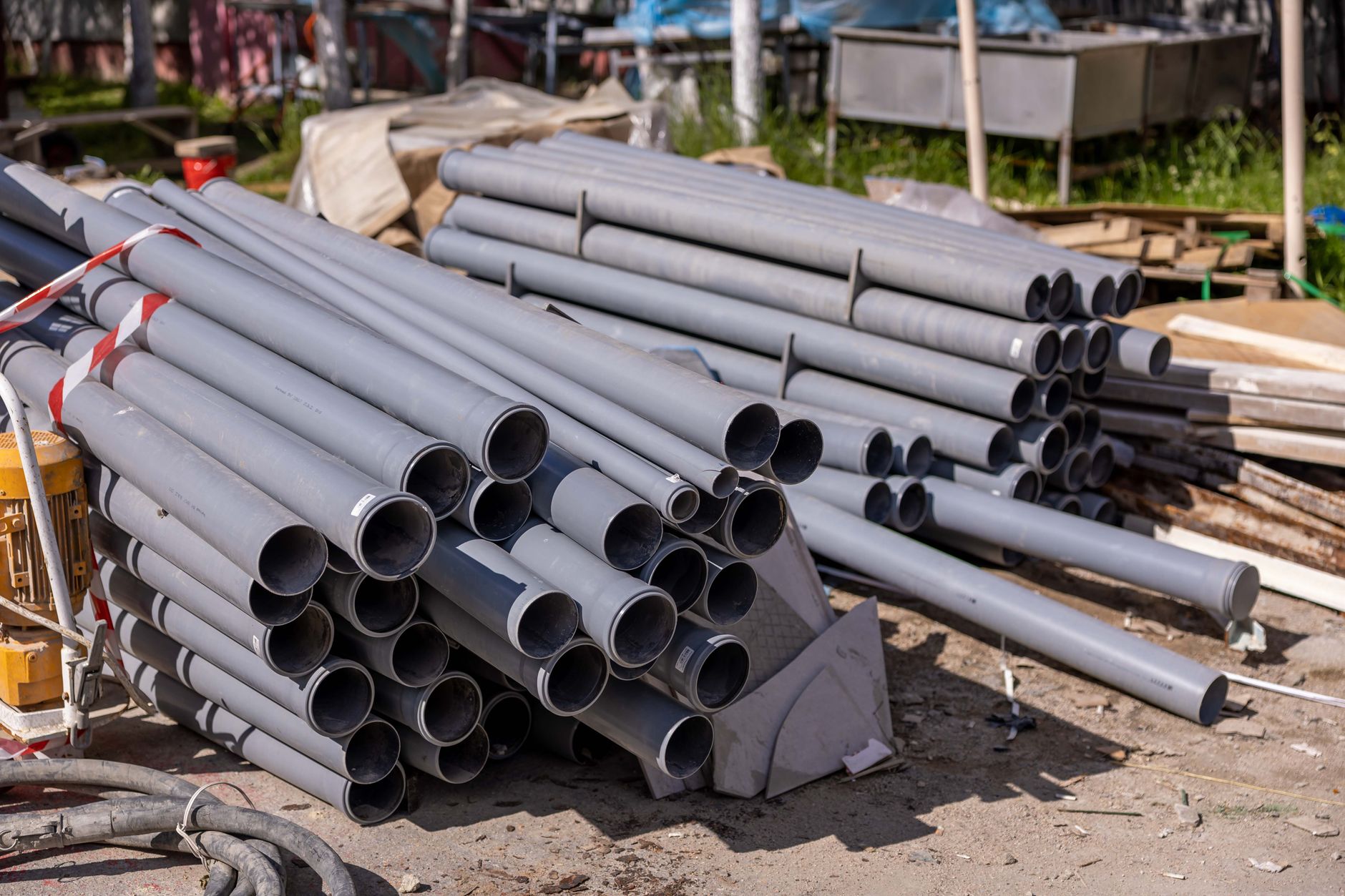
Radon fans run around the clock for five to ten years and then announce retirement with a rattle, a grind, or a manometer that quietly goes level. Replacement is a same-day swap on the existing pipe — not a new system — followed by a retest to confirm the number came back down.
Reasons to schedule this service
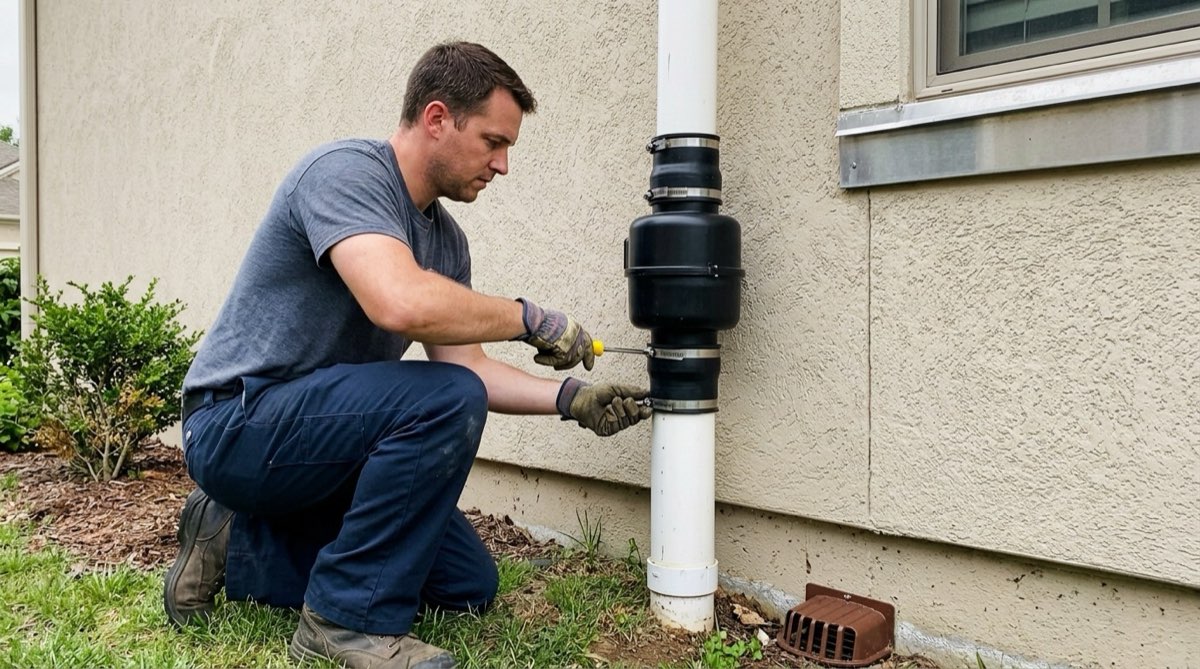
This service may be the right fit when one of these situations sounds familiar:
- the fan is noisy
- the manometer reading changed
- the system is old or damaged
What matters for Des Moines properties
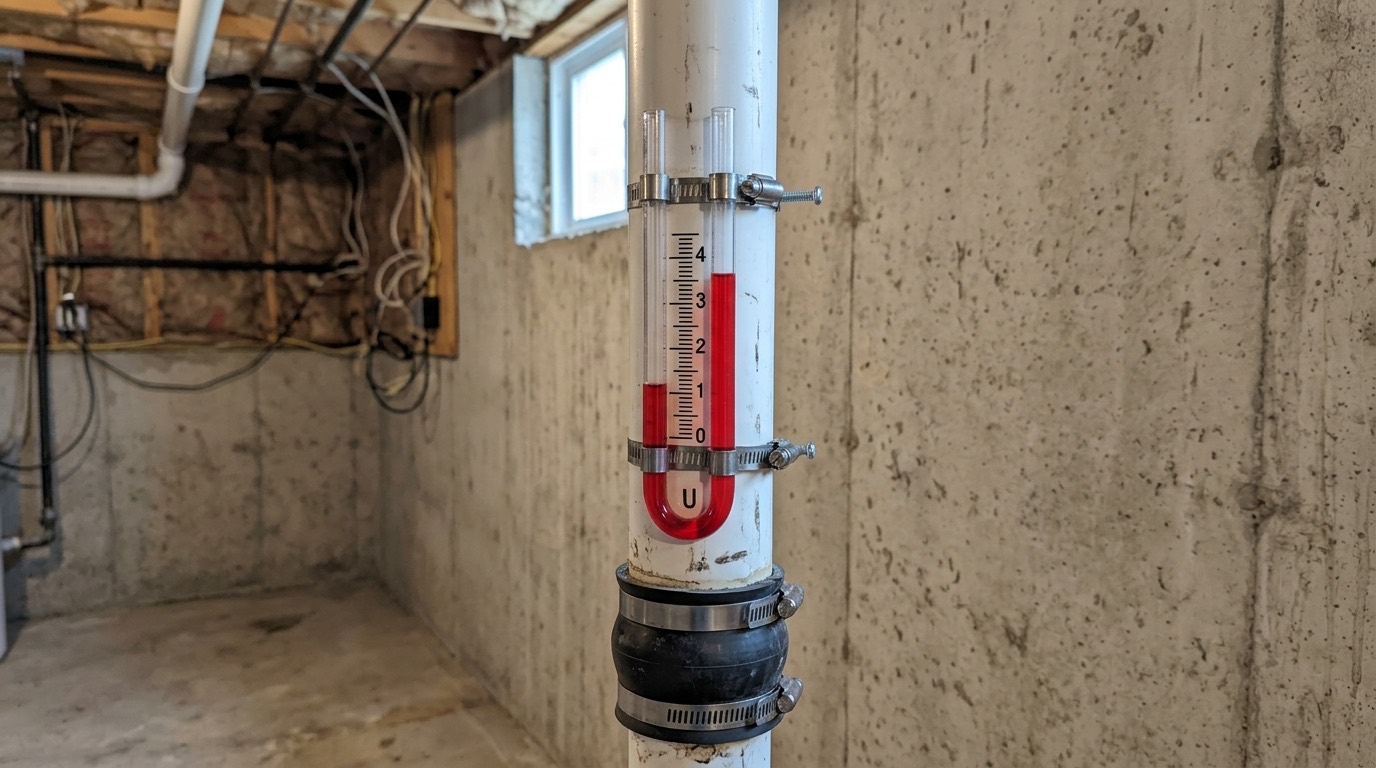
A fan that died in November matters more in Iowa than most places, because heating season is exactly when a sealed Des Moines house concentrates radon fastest. If the u-tube manometer's columns are sitting even, treat it like a furnace outage: check plug, switch, and breaker, then book the swap.
What affects the estimate
- fan size
- pipe condition
- electrical connection
- test history
- weather exposure
How the work usually goes
A replacement visit is quick:
- Test Result Review: Review the radon test result, test date, foundation layout, basement use, and any real-estate deadline.
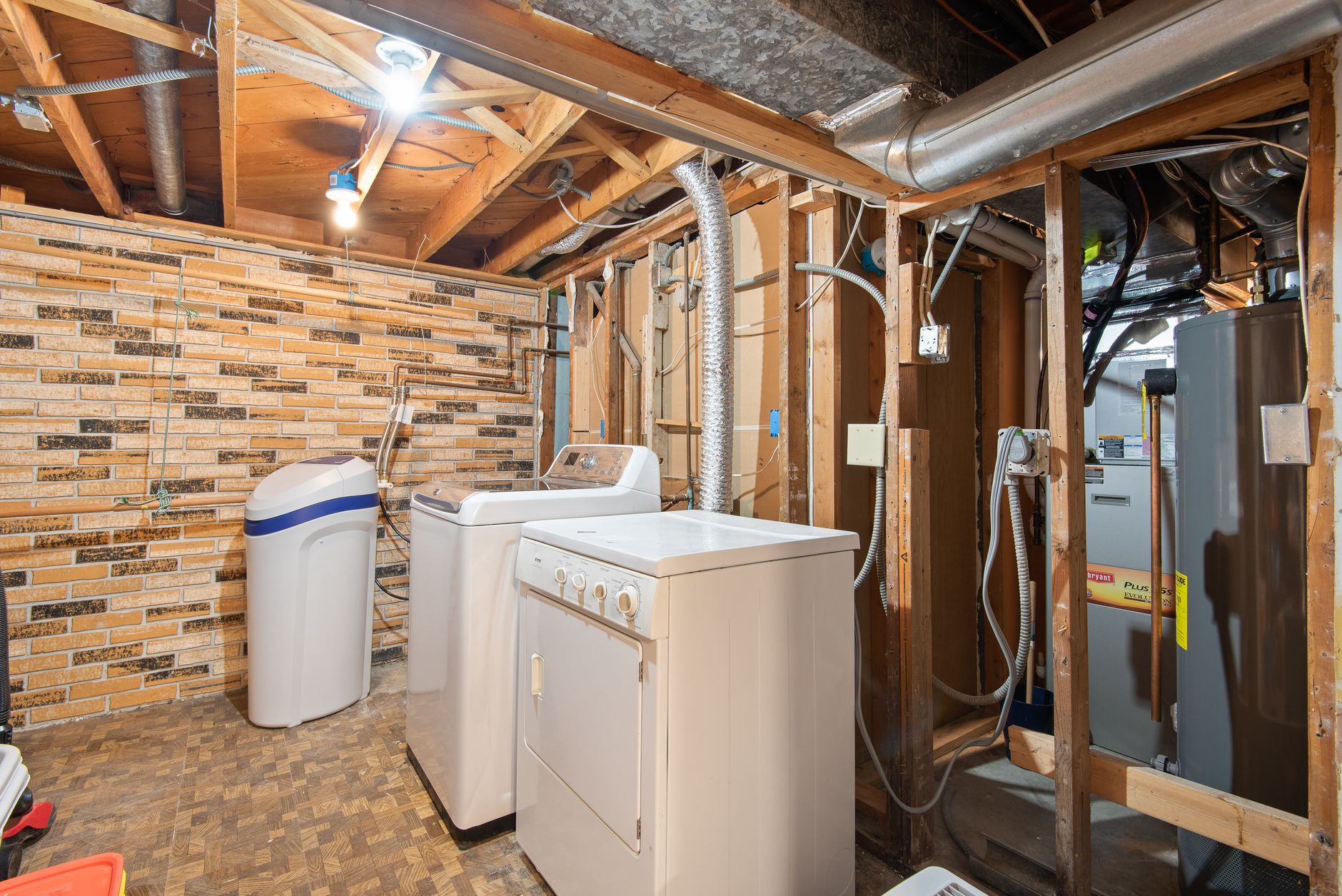
- Foundation And Sump Check: Check slab areas, sump pits, drain tile, crawl spaces, pipe routes, fan locations, and discharge options.
- System Design Planning: Plan the mitigation system, sealing details, electrical needs, fan placement, and retest timing.
- Pipe Fan And Sealing Work: Install or repair the pipe, fan, suction point, sump cover, crawl-space barrier, or sealing work.
- Retest And Maintenance Guidance: Review manometer readings, labels, maintenance notes, and when the home should be tested again.