Nobody can quote a radon system responsibly without knowing the foundation, so this page explains the drivers instead of pretending one number fits. The good news: this is a well-understood trade with a narrow price range compared to most home repairs, and the estimate should be free and specific.
Reasons to schedule this service
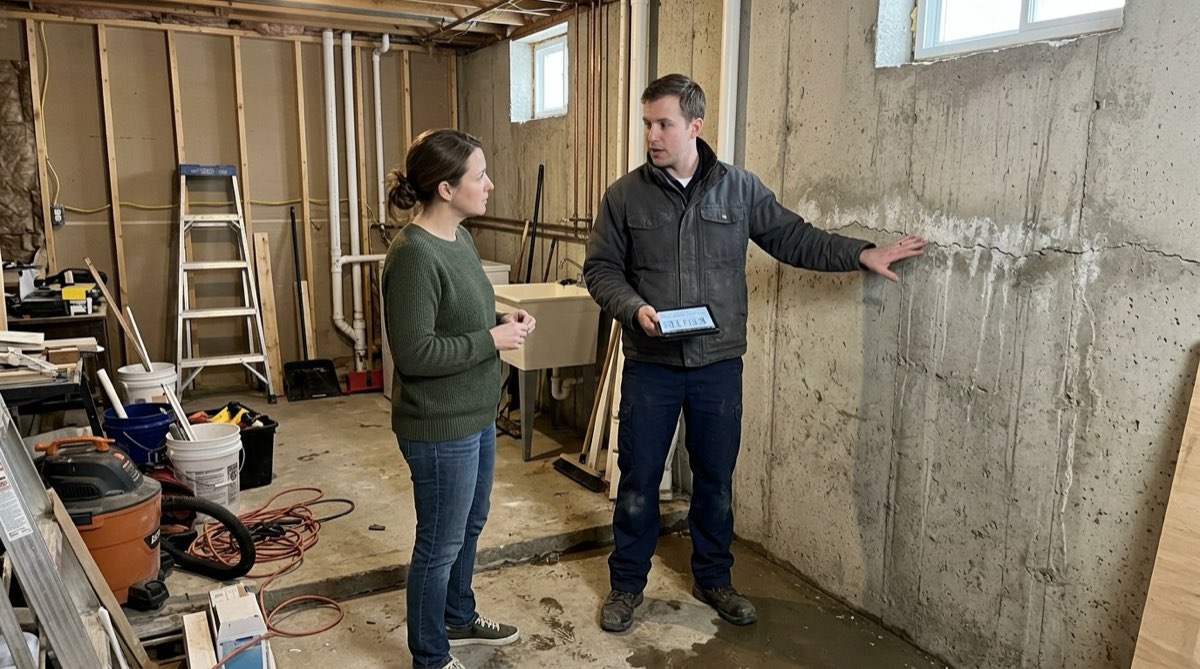
This service may be the right fit when one of these situations sounds familiar:
- the homeowner wants a realistic estimate
- the system design is not obvious
- the home has multiple foundation areas
What matters for Des Moines properties
In Des Moines the estimate mostly turns on three things: how many suction points your slab-and-crawl layout needs, whether the sump and drain tile can serve as the collection network, and how the pipe reaches a legal discharge above the roof — through the house invisibly, or up an exterior wall. Finished basements add care and cost; unfinished ones keep it simple.
What affects the estimate
- foundation layout
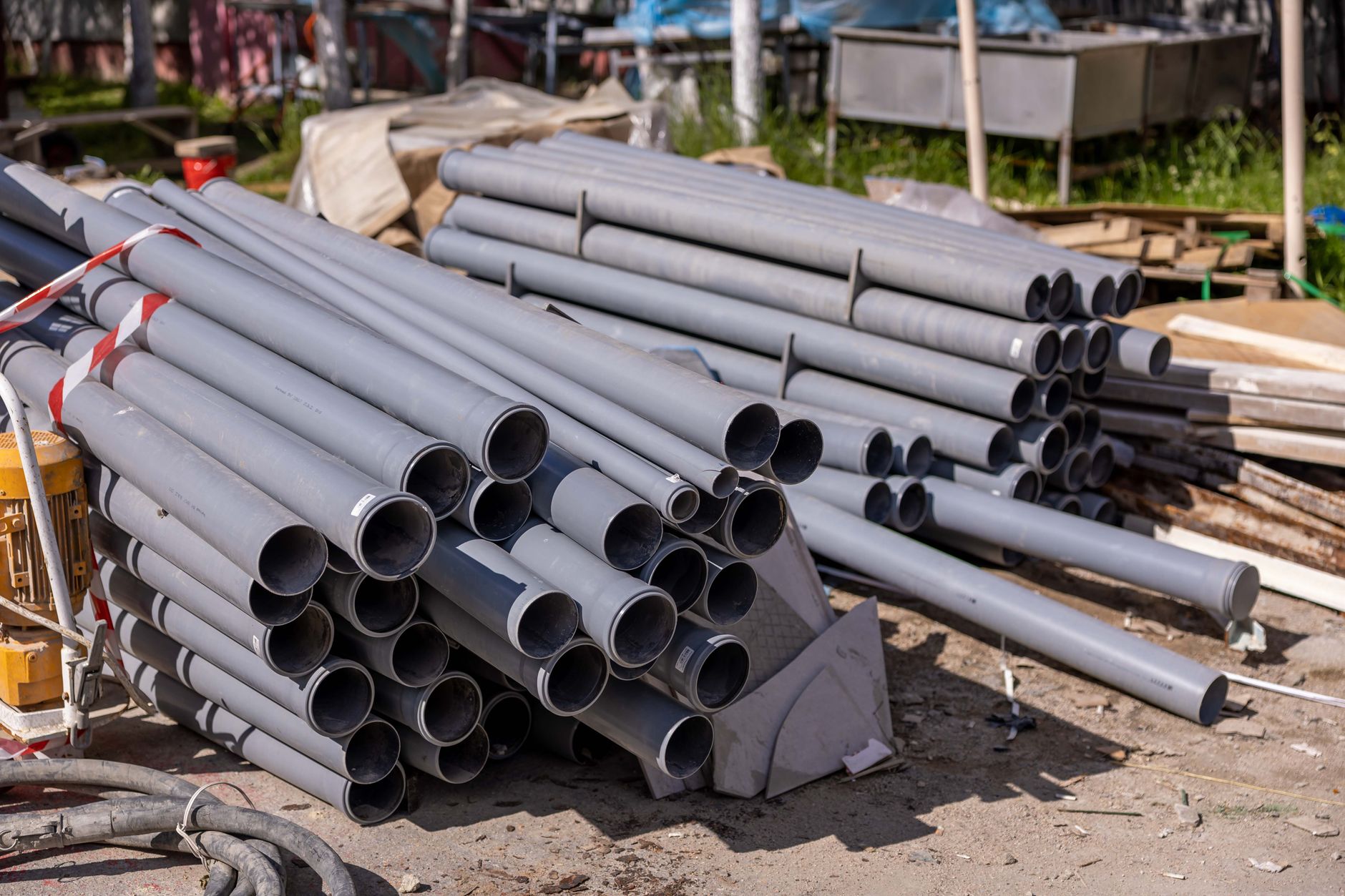
- pipe route
- fan location
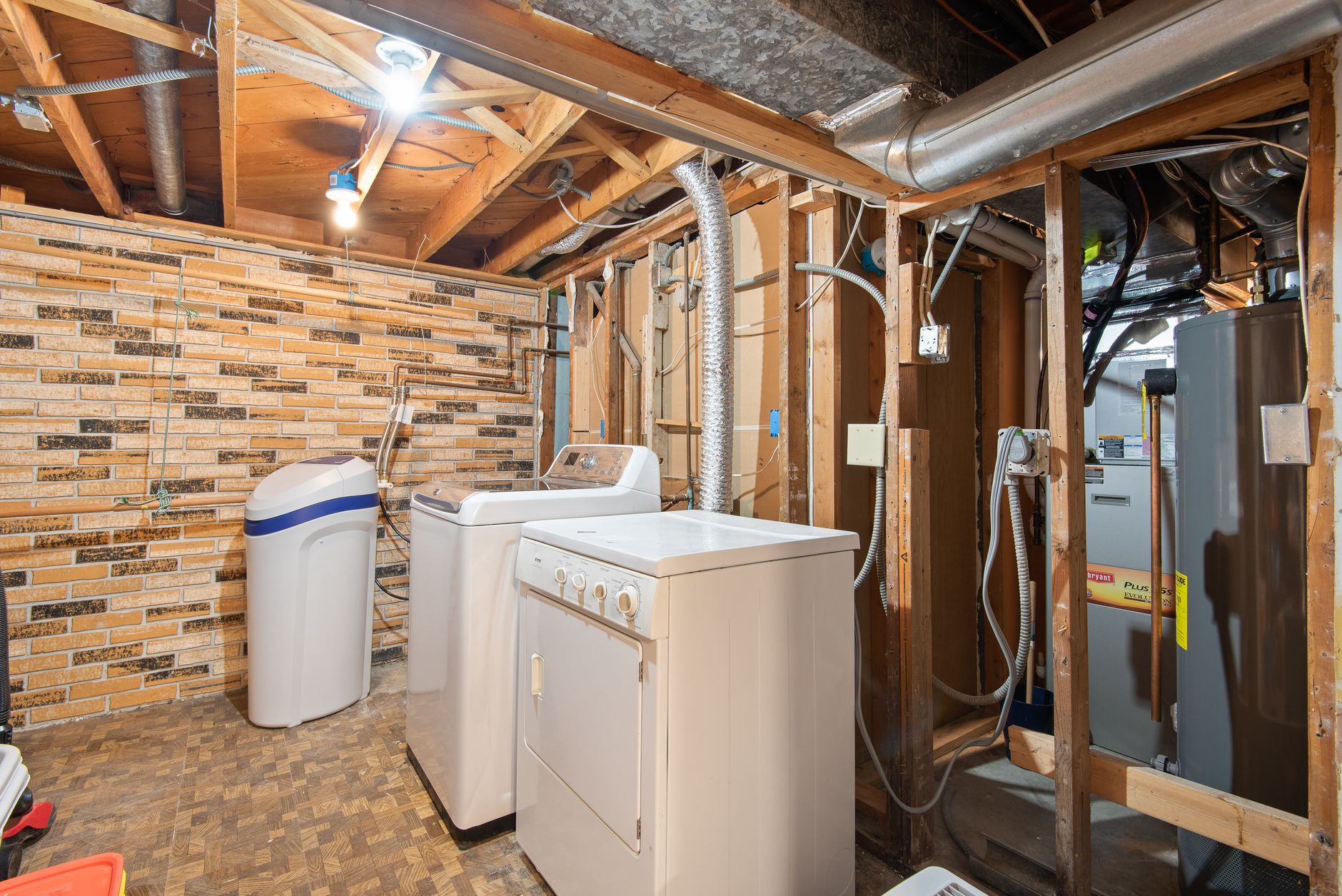
- finished areas
- testing and repair needs
How the work usually goes
An estimate visit covers:
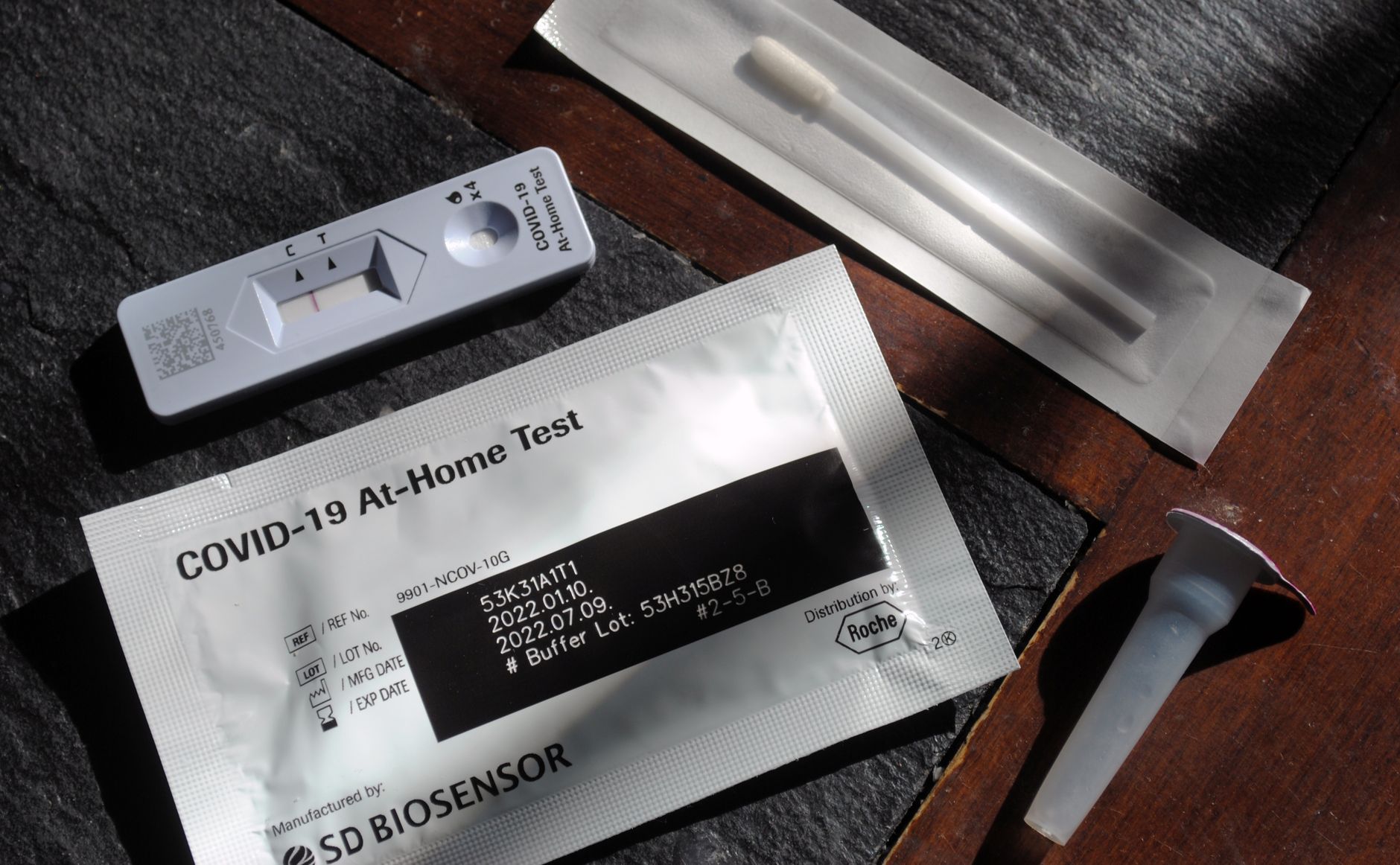
- Test Result Review: Review the radon test result, test date, foundation layout, basement use, and any real-estate deadline.
- Foundation And Sump Check: Check slab areas, sump pits, drain tile, crawl spaces, pipe routes, fan locations, and discharge options.
- System Design Planning: Plan the mitigation system, sealing details, electrical needs, fan placement, and retest timing.
- Pipe Fan And Sealing Work: Install or repair the pipe, fan, suction point, sump cover, crawl-space barrier, or sealing work.
- Retest And Maintenance Guidance: Review manometer readings, labels, maintenance notes, and when the home should be tested again.